Boost Literacy with Reading Support Initiatives
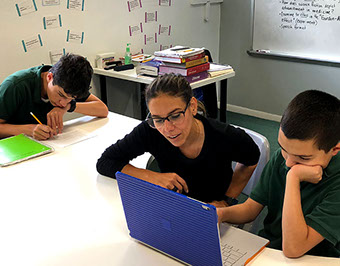
Improving literacy is a crucial step toward academic success and lifelong learning. Many students face challenges in reading that can affect their confidence and performance in all subjects and in school in general. Fortunately, there are effective ways to address these challenges through targeted support. I want to share insights on how reading support initiatives can make a significant difference in helping students develop strong reading skills. These initiatives provide personalized help that meets each learner’s unique needs, making reading more accessible and enjoyable.
Understanding the Importance of Reading Support Initiatives
Reading is the foundation of education. When students struggle with reading, it impacts every subject, from math to science to social studies. Reading support initiatives are designed to identify and address these struggles early. They offer tailored strategies that help students improve their decoding, comprehension, and fluency skills.
These initiatives often include one-on-one tutoring, small group sessions, and specialized programs that focus on phonics, vocabulary, and reading comprehension. The goal is to build confidence and competence in reading, which leads to better academic outcomes. For example, a student who receives personalized reading support may move from guessing words to confidently decoding and understanding text.
In South Florida, where diverse student populations bring varied learning styles and backgrounds, reading support initiatives are especially valuable. They ensure that every student has the opportunity to succeed, regardless of their starting point.

How Reading Support Initiatives Work in Practice
Reading support initiatives typically begin with an assessment to identify a student’s specific reading challenges. This assessment helps educators and tutors create a customized plan that targets the areas needing the most attention. For example, if a student struggles with phonemic awareness, the plan will include exercises and activities to strengthen that skill.
These programs often use evidence-based methods such as multisensory learning, which engages multiple senses to reinforce reading skills. This approach can include activities like tracing letters while saying sounds aloud or using visual aids to connect words with images.
Consistency is key in these initiatives. Regular sessions, whether after school or during dedicated tutoring times, help students build momentum. Progress is monitored closely, and plans are adjusted as needed to ensure continuous improvement.
Parents and educators play a vital role by supporting practice at home and encouraging reading habits. Simple actions like reading together daily or discussing stories can reinforce what students learn during their sessions.

What are the Best Reading Intervention Programs?
Choosing the right program can be overwhelming, but some reading intervention programs have proven effective across various settings. Programs like Orton-Gillingham, Wilson Reading System, and Read Naturally are widely recognized for their structured and systematic approaches.
Orton-Gillingham focuses on phonics and is highly effective for students with dyslexia or other reading difficulties.
Wilson Reading System builds on phonemic awareness and decoding skills with a clear, step-by-step process.
Read Naturally combines repeated reading and progress monitoring to improve fluency and comprehension.
Each program offers unique benefits, and the best choice depends on the student’s specific needs. Many schools and learning centers in South Florida incorporate these programs into their tutoring services to provide targeted support.
At MLC Preparatory Academy & Learning Center, we integrate these proven methods into our after-school tutoring and homework assistance programs. Our goal is to help students improve their reading skills, which in turn boosts their overall academic performance and prepares them for higher education.
Practical Tips for Supporting Reading Development at Home
Supporting reading development outside of formal programs is just as important. Here are some practical tips that parents and students can use to reinforce reading skills daily:
Create a Reading Routine - Set aside a specific time each day for reading. Consistency helps build habits.
Choose Engaging Books - Select books that match the student’s interests and reading level to keep motivation high.
Discuss What You Read - Ask questions about the story to improve comprehension and critical thinking.
Use Technology Wisely - Educational apps and audiobooks can supplement reading practice.
Celebrate Progress - Recognize improvements, no matter how small, to encourage continued effort.
These simple strategies complement the structured support provided by reading intervention programs and help create a positive reading environment.
The Impact of Personalized Academic Support on Student Success
Personalized academic support, including reading support initiatives, plays a vital role in helping students reach their full potential. When students receive tailored help, they are more likely to improve their grades, increase their confidence, and develop a love for learning.
At MLC Preparatory Academy & Learning Center, we focus on personalized education that addresses each student’s strengths and challenges. Our tutoring services, homework assistance, and test preparation programs are designed to support students from public and private schools in Miami and the surrounding areas.
By combining expert instruction with individualized attention, we help students boost their GPAs and college admissions scores. This foundation prepares them for successful higher education journeys and beyond.
If you or someone you know is looking for effective ways to improve reading skills, consider exploring reading intervention programs as part of a comprehensive academic support plan.
By investing in reading support initiatives, we can empower students to overcome challenges and unlock their academic potential. With the right tools and guidance, every student can become a confident and capable reader.


Comments